


DIY Grooming Tips for Your Dog: A Comprehensive Guide

Grooming is an essential part of keeping your dog healthy and happy. Regular grooming not only keeps your dog looking their best but also helps prevent various health issues. While professional grooming services are excellent, they can be costly and not always necessary. With the right tools and techniques, you can effectively groom your dog at home. Here are some DIY grooming tips to help you get started.
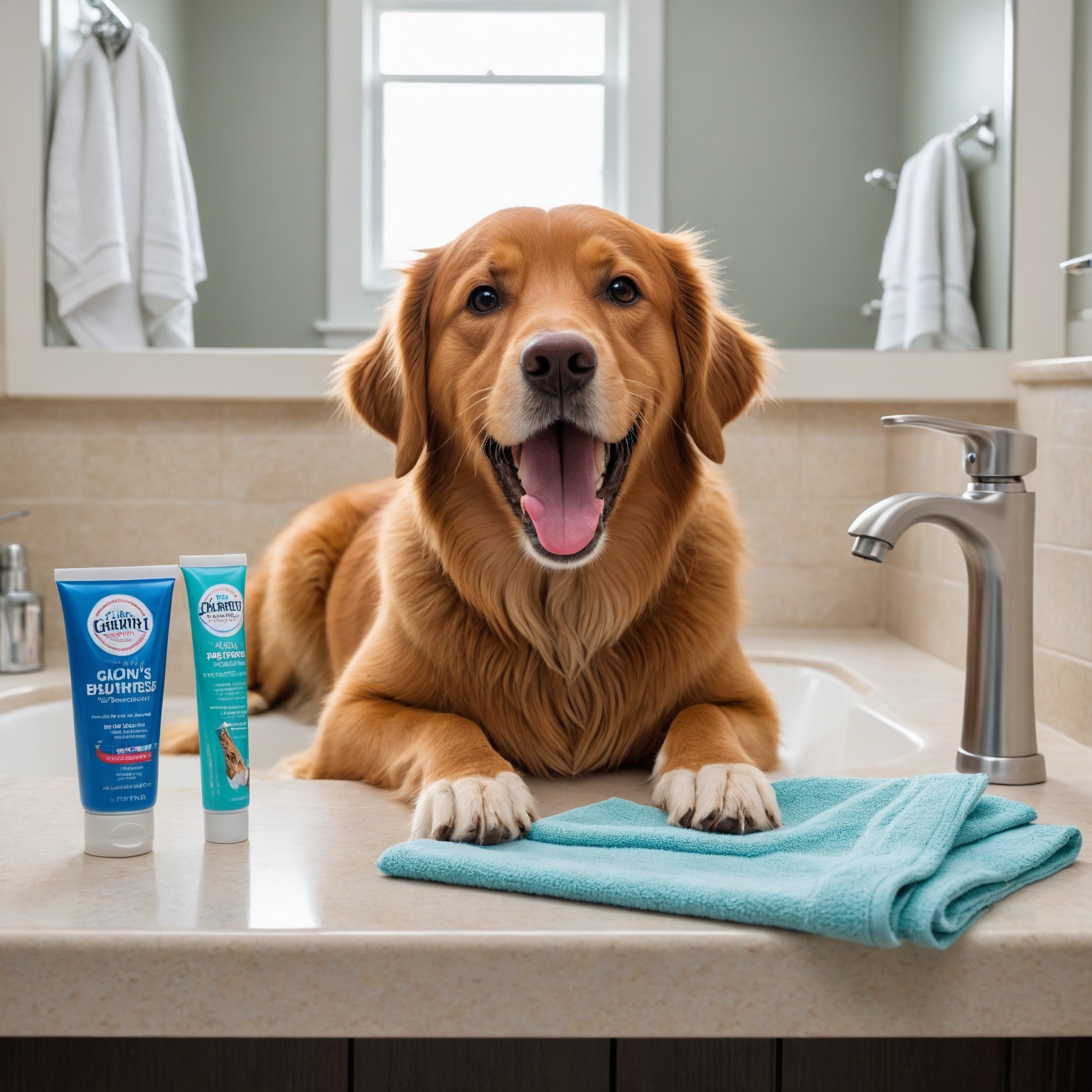
1. Brushing Your Dog
Why It's Important: Regular brushing helps remove loose fur, dirt, and debris from your dog's coat. It also stimulates the skin, promoting healthy circulation and distributing natural oils.
Tips:
- Choose the Right Brush: Different coat types require different brushes. For example, a slicker brush works well for long-haired dogs, while a bristle brush is suitable for short-haired breeds.
- Brush Regularly: Aim to brush your dog at least once a week, but more frequently if they have a long or thick coat.
- Be Gentle: Use gentle strokes to avoid irritating your dog's skin. Pay special attention to areas where mats and tangles are common, like behind the ears and under the legs.
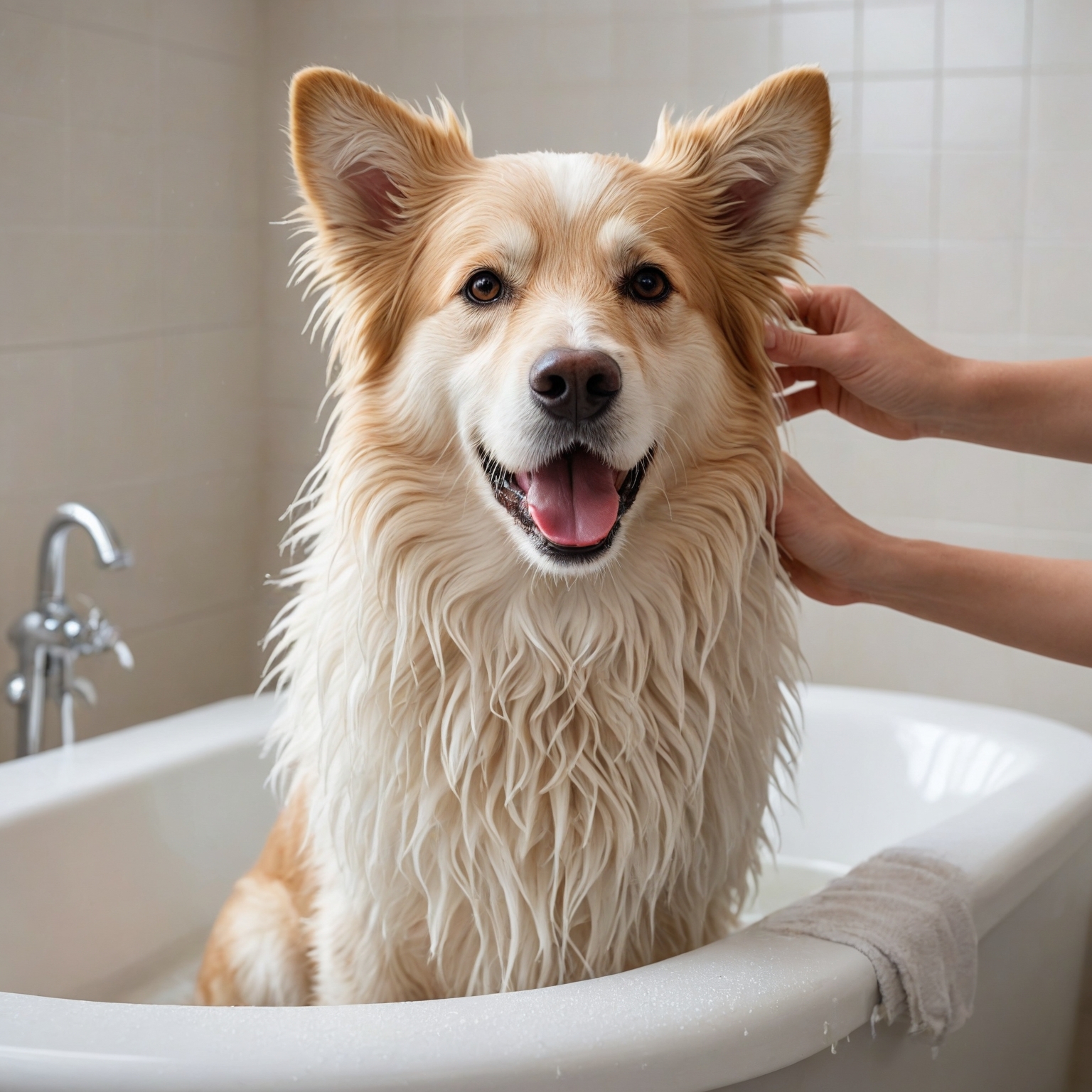
2. Bathing Your Dog
Why It's Important: Regular baths help keep your dog's skin and coat clean and healthy. However, too frequent bathing can strip natural oils and lead to dry skin.
Tips:
- Use Dog-Specific Shampoo: Human shampoos can be too harsh for dogs. Choose a gentle, dog-specific shampoo that suits your dog's skin type.
- Prepare Properly: Brush your dog before the bath to remove any loose fur and tangles. Use lukewarm water and make sure the bathing area is safe and non-slippery.
- Rinse Thoroughly: Ensure all shampoo is rinsed out to prevent skin irritation. Use a detachable showerhead if possible for better control.
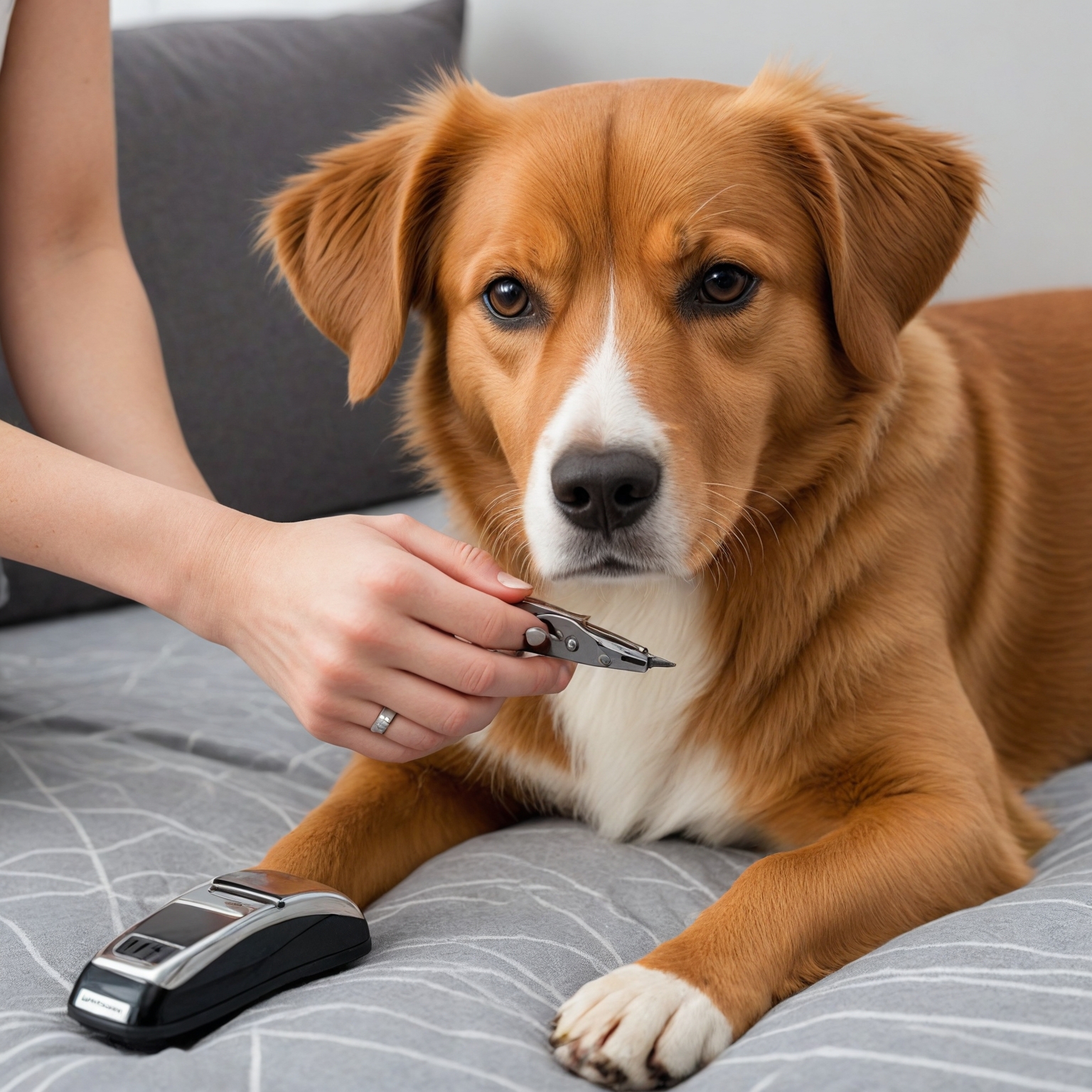
3. Nail Trimming
Why It's Important: Overgrown nails can cause discomfort and lead to problems with walking and posture.
Tips:
- Use Proper Tools: Invest in a good-quality pair of dog nail clippers or a nail grinder.
- Know the Quick: The quick is the pink area within the nail that contains blood vessels and nerves. Avoid cutting into the quick to prevent pain and bleeding. For dark nails, trim small amounts to avoid cutting too much.
- Stay Calm and Patient: Take your time and offer treats to make the experience positive for your dog. If you're unsure, ask your vet or a professional groomer for a demonstration.
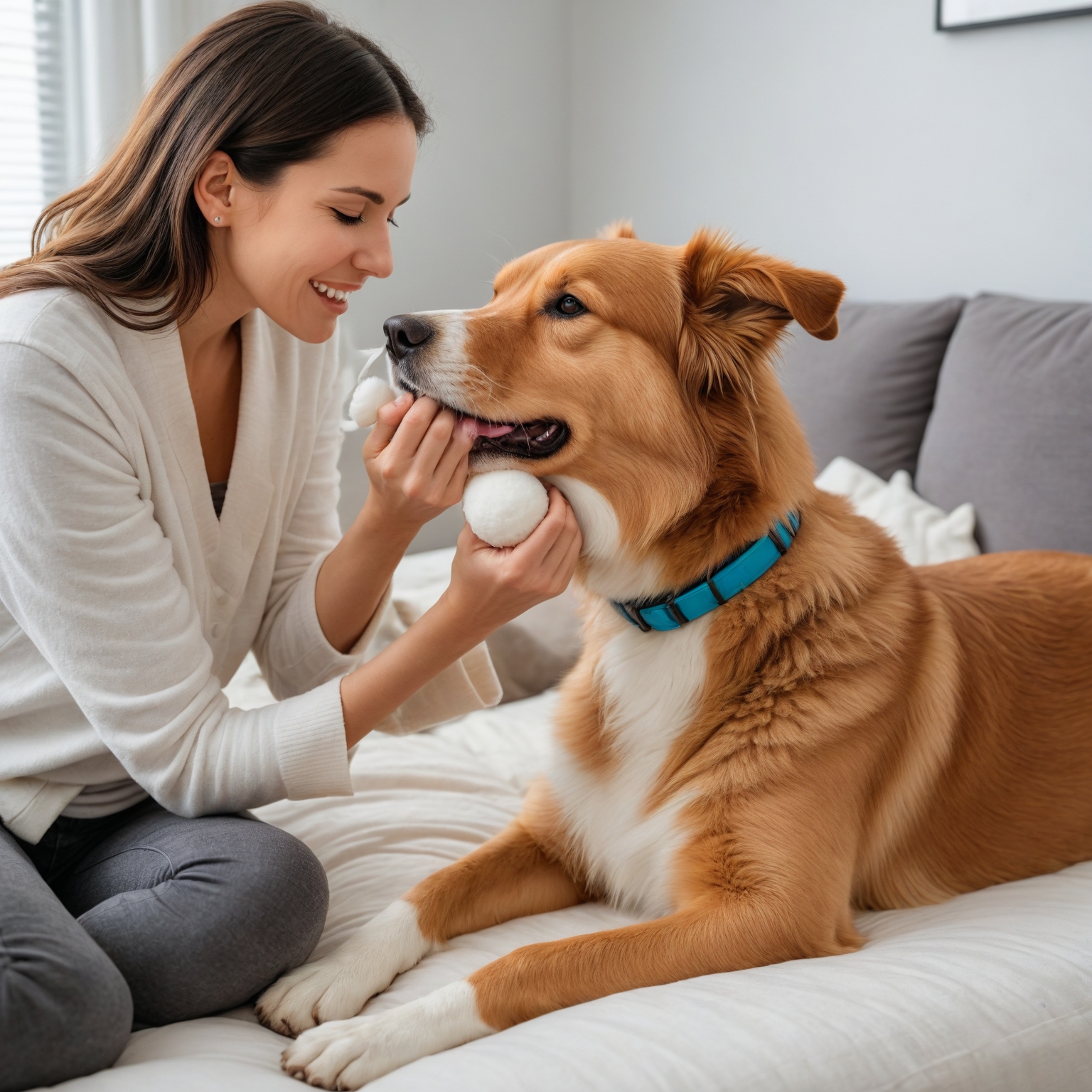
4. Ear Cleaning
Why It's Important: Regular ear cleaning helps prevent infections and removes dirt and wax buildup.
Tips:
- Use Vet-Approved Cleaner: Choose an ear cleaning solution recommended by your vet.
- Be Gentle: Apply the cleaner to a cotton ball or pad and gently wipe the visible part of the ear. Avoid using cotton swabs inside the ear canal.
- Check Regularly: Look for signs of infection, such as redness, swelling, or foul odor, and consult your vet if you notice any issues.
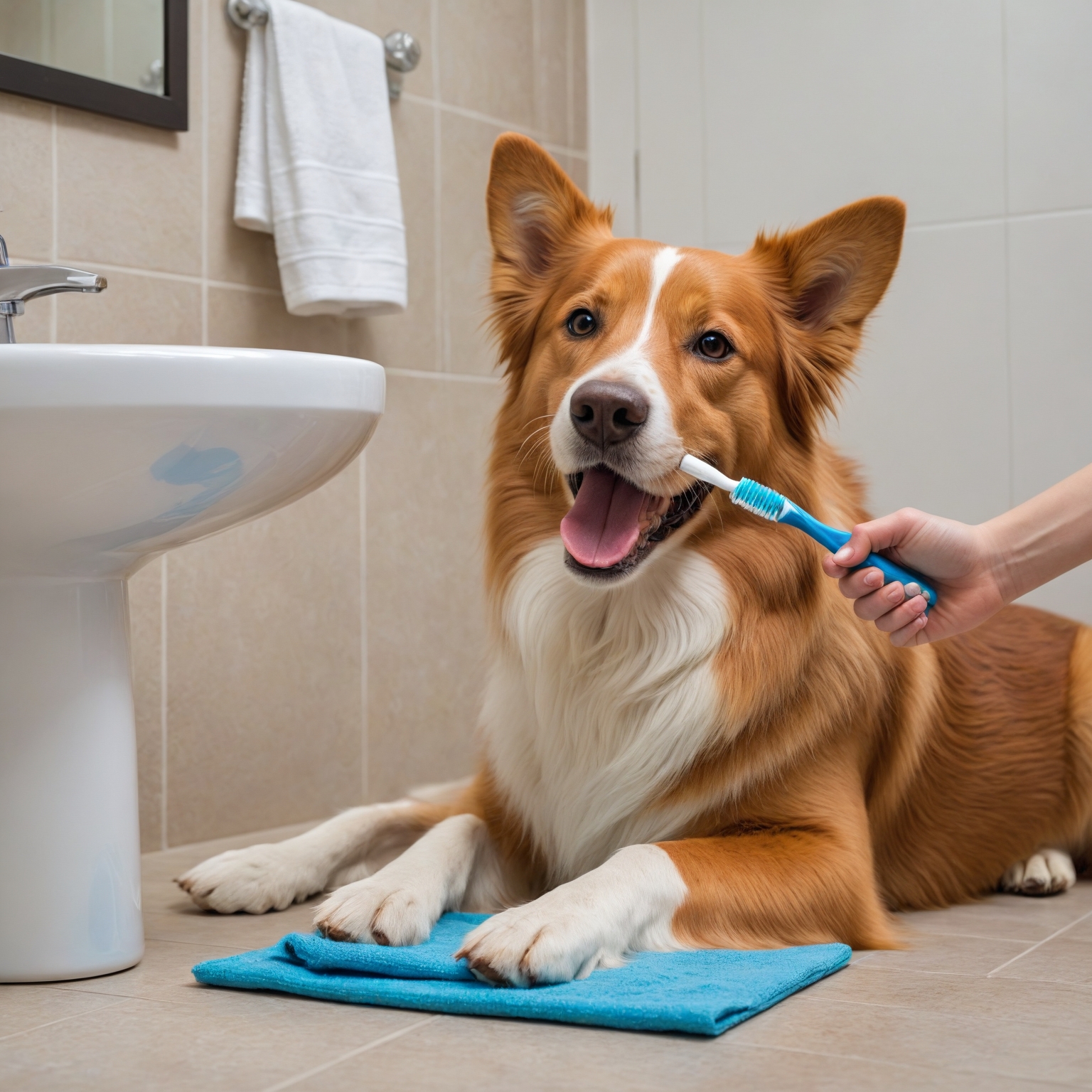
5. Teeth Cleaning
Why It's Important: Dental hygiene is crucial for preventing plaque, tartar buildup, and gum disease.
Tips:
- Use Dog-Specific Toothpaste: Human toothpaste can be harmful to dogs. Choose a dog-specific toothpaste and a soft-bristled toothbrush or finger brush.
- Start Slowly: Introduce the toothbrush gradually, letting your dog sniff and lick it first. Then, gently brush their teeth in a circular motion.
- Be Consistent: Aim to brush your dog's teeth a few times a week. Dental chews and toys can also help keep their teeth clean between brushings.
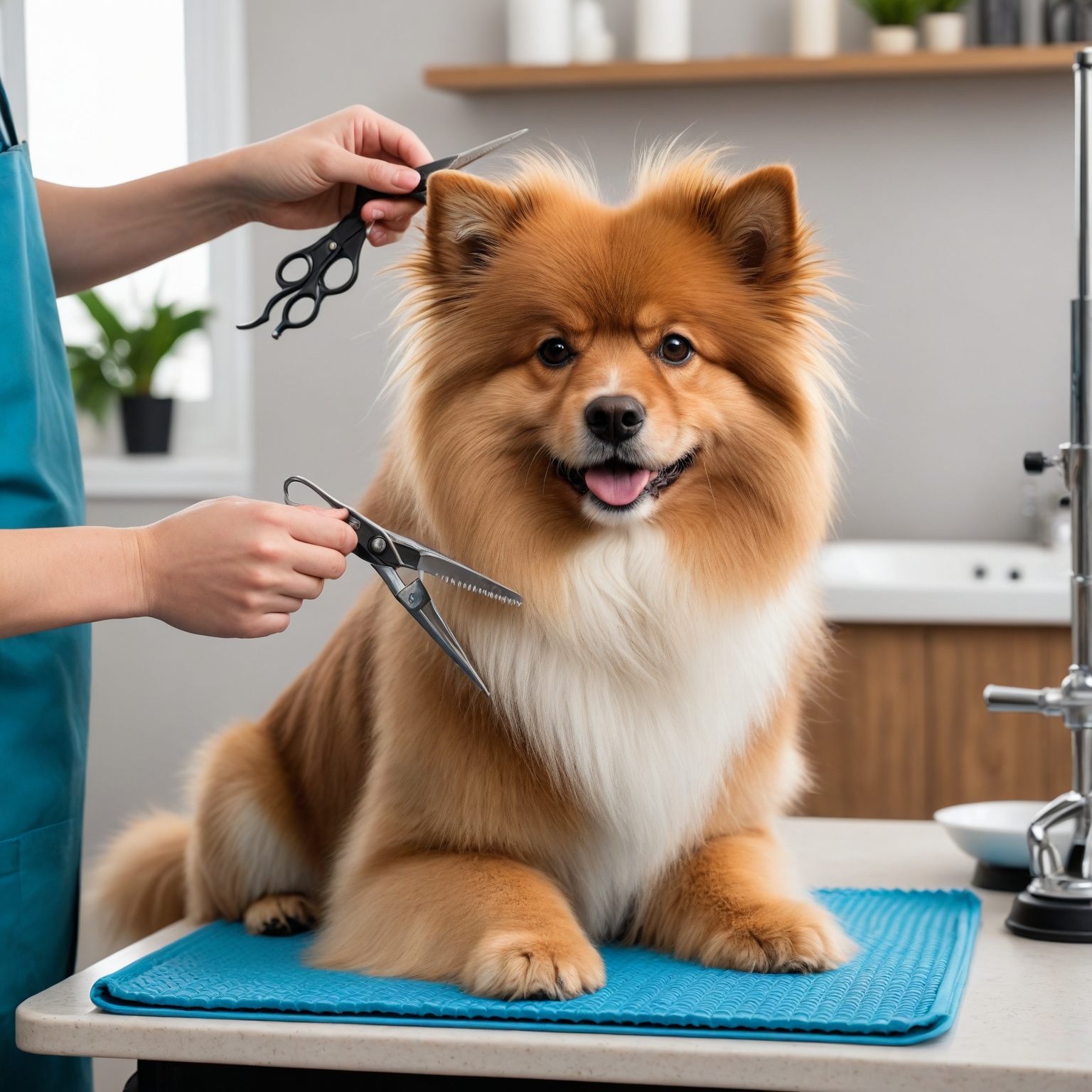
6. Trimming Fur
Why It's Important: Regular trims can help prevent mats and tangles, especially in long-haired breeds. It also keeps your dog cool and comfortable.
Tips:
- Use Sharp, Clean Scissors or Clippers: Dull tools can pull and cause discomfort.
- Trim Carefully: Focus on areas where mats are common, like behind the ears, around the paws, and under the tail. Be cautious around sensitive areas and avoid cutting too close to the skin.
- Work in Sections: Break the grooming session into manageable sections to keep your dog calm and cooperative.
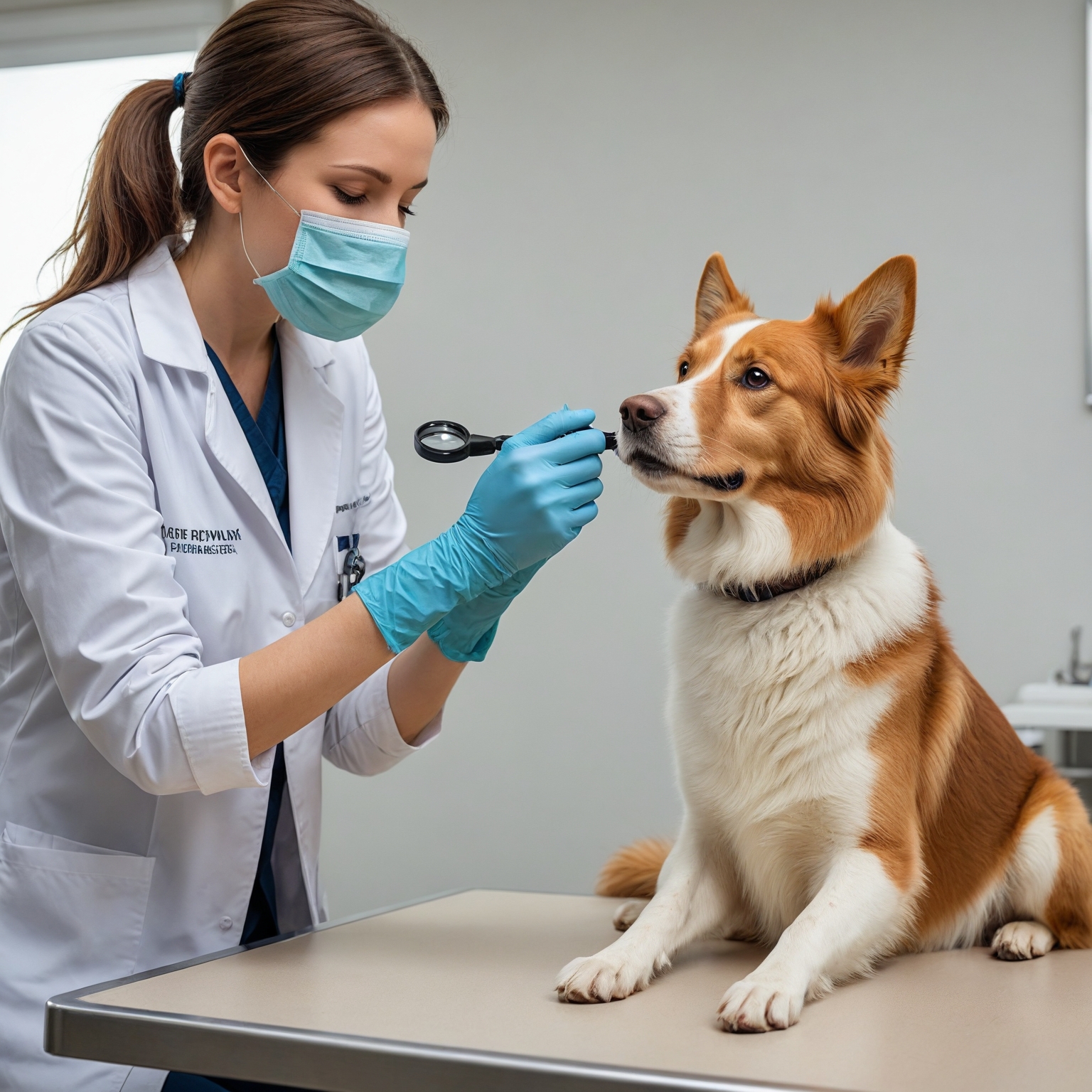
7. Checking for Parasites
Why It's Important: Regular checks help catch fleas, ticks, and other parasites early, preventing infestations and related health issues.
Tips:
- Inspect Regularly: Check your dog's coat, especially around the neck, ears, and belly, for signs of parasites.
- Use Preventatives: Consult your vet about the best flea and tick preventatives for your dog.
- Act Quickly: If you find any parasites, use appropriate treatments and consult your vet for advice.
Conclusion
Grooming your dog at home can be a rewarding experience that strengthens the bond between you and your pet. With these DIY grooming tips, you can keep your dog looking and feeling their best without the expense of professional services. Remember to be patient and make grooming a positive experience for your dog. Regular grooming not only maintains their appearance but also contributes to their overall health and happiness.